- sensorsvs Keyence
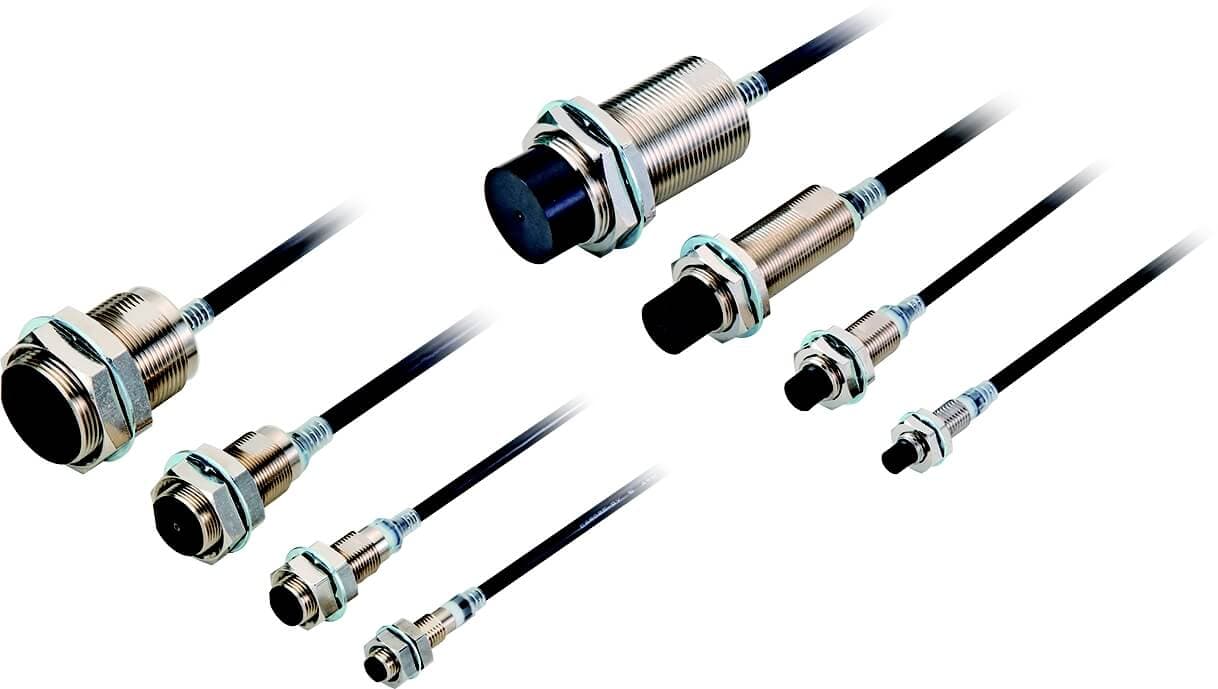
Omron E2E / E2B / E2A
E2B is at or below Keyence EM on like-for-like M12 / M18 PNP models in DACH. E2E NEXT sits above E2B but usually below Keyence's separate-amplifier EX-V head + amplifier combined cost. Keyence EX-V is in a different price class (eddy-current displacement measurement, not simple switching) — the comparison against it is only honest for the narrow high-precision-measurement slice of the E2E NEXT use case.
- sensorsvs Keyence
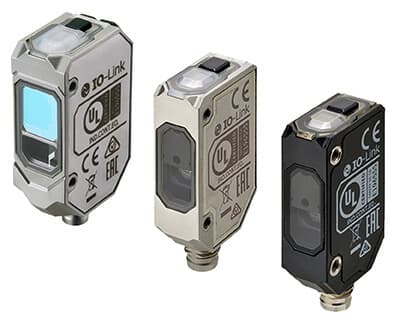
Omron E3AS
Premium tier in the Omron photoelectric catalogue, explicitly designed to intercept Keyence LR-W / LR-X deals. Typically lower list than LR-X laser CMOS in DACH, similar to LR-W on a like-for-like sensing range. Not a mainstream-price replacement for E3Z or PZ-G — specify E3AS only where the application justifies it.
- sensorsvs Keyence
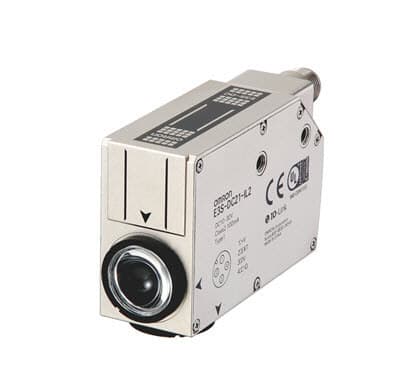
Omron E3S-DC
The E3S-DC is a mid-to-upper-tier dedicated colour-mark sensor. Against an LR-Z used as a crude colour-contrast detector it typically wins on total installed cost and on colour reliability — the LR-Z distance-based U.C.D. (Ultimate Contrast Detection) function is not a true colour discriminator. Where Keyence pushes the customer to a dedicated colour sensor such as their LR-W or CZ family, that is the correct fight.
- sensorsvs Keyence

Omron E3X-HD and E3X-ZV
Against Keyence's flagship FS-N40 series, Omron E3X-HD is typically priced at or slightly below FS-N40 in DACH quotes and noticeably below it on the top SKU with all modes active. Omron E3X-ZV is deliberately sub-FS-N40 and in most DACH quotes undercuts even Keyence's older FS-V30 — it is the Omron answer to the "we use 200 fiber amps per machine, cost matters" conversation that Keyence historically wins by discounting FS-V.
- sensorsvs Keyence
Omron E3Z
Mid-market in DACH. Typically at or below Keyence PZ-G on a like-for-like model; noticeably below Keyence when the application gets pushed up into their LR-W / LR-X laser families.
- sensorsvs Keyenceno photo
Omron E4C-UDA / E4PA-N
Mid-market on the E4C-UDA against UD-300 head + amplifier; E4PA-N is an all-in-one at a lower installed cost than UD-300 once the Keyence amplifier and mounting are totalled. Keyence consistently prices UD-300 and FW at a premium; Omron's two-family approach lets you land either on spec-for-spec parity (E4C-UDA vs UD-300) or undercut on install cost (E4PA-N vs UD-300 amp + head).
- sensorsvs Keyence
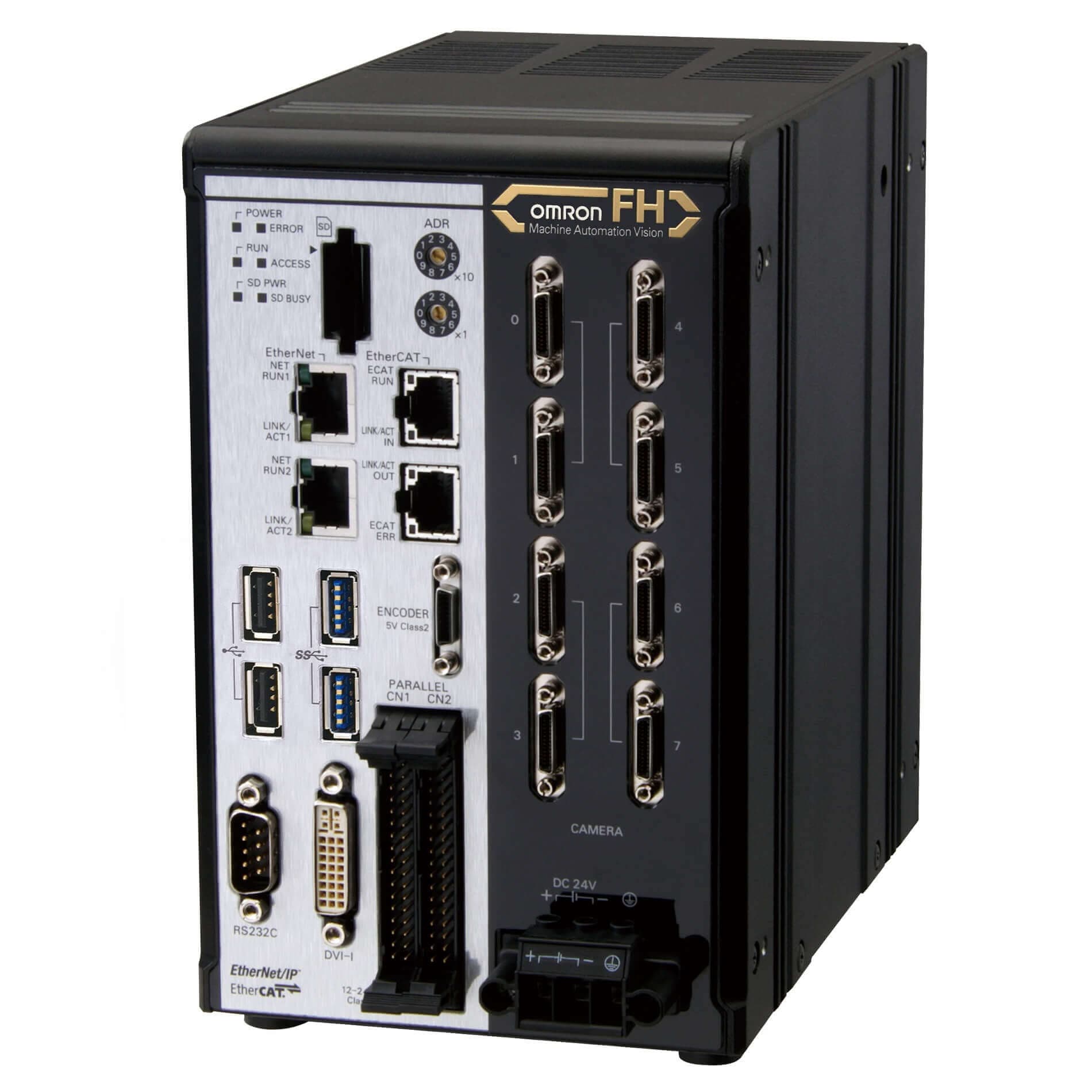
Omron FH
Mid-to-premium. FH-L (Lite) is deliberately priced below CV-X on entry-level single- or dual-camera inspection. FH-5050 / FH-5550 lands at or slightly below a comparable CV-X400A bundle once you include multi-camera licence cost — and noticeably below CV-X when the customer would otherwise have to buy two CV-X controllers to cover 5–8 cameras.
- sensorsvs Keyence
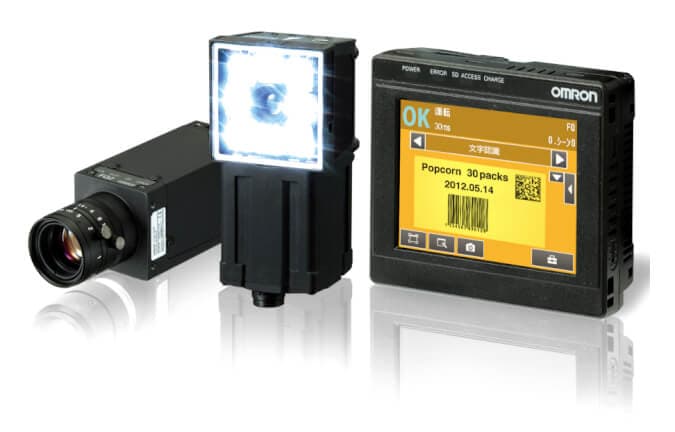
Omron FQ2
Mid-market. FQ2 sits meaningfully below Keyence IV3 on captured DACH (Deutschland–Austria–Confoederatio Helvetica) list compared like-for-like (IV3 is one of Keyence's premium-priced families and requires a PC or separate IV3-CP50 control panel — the FQ2 Touch Finder is often bundled into SSC (Swiss Solution Center) quotes). Also below Cognex In-Sight 2000 on the mid-resolution side; above Banner iVu.
- sensorsvs Keyence
Omron ZW-S
Materially below LJ-X8000 in DACH. A ZW-S head + ZW-7000 controller typically lands in the low-to-mid four-figure EUR range per channel. An LJ-X8000 head + LJ-X8000E controller routinely clears five figures per channel once a Keyence quote is issued. The exact multiple depends on the head pair, but Keyence quote letters in the EUR 15 000 – 30 000 range for a single-head LJ-X8000 system are widely reported.
- sensorsvs Keyence
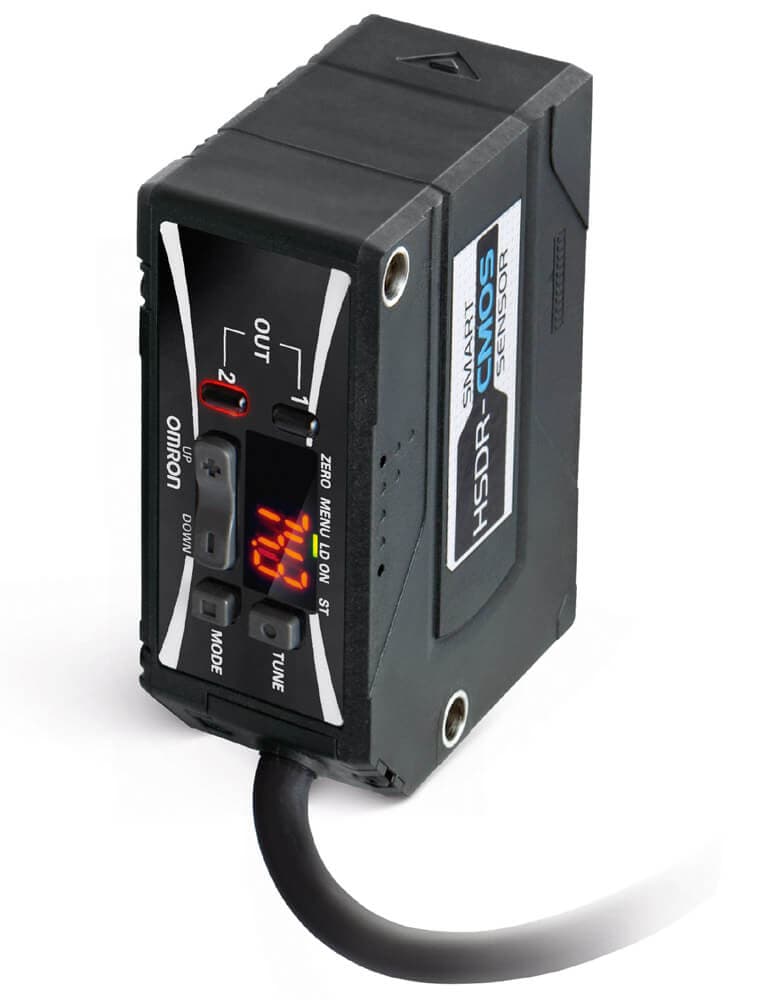
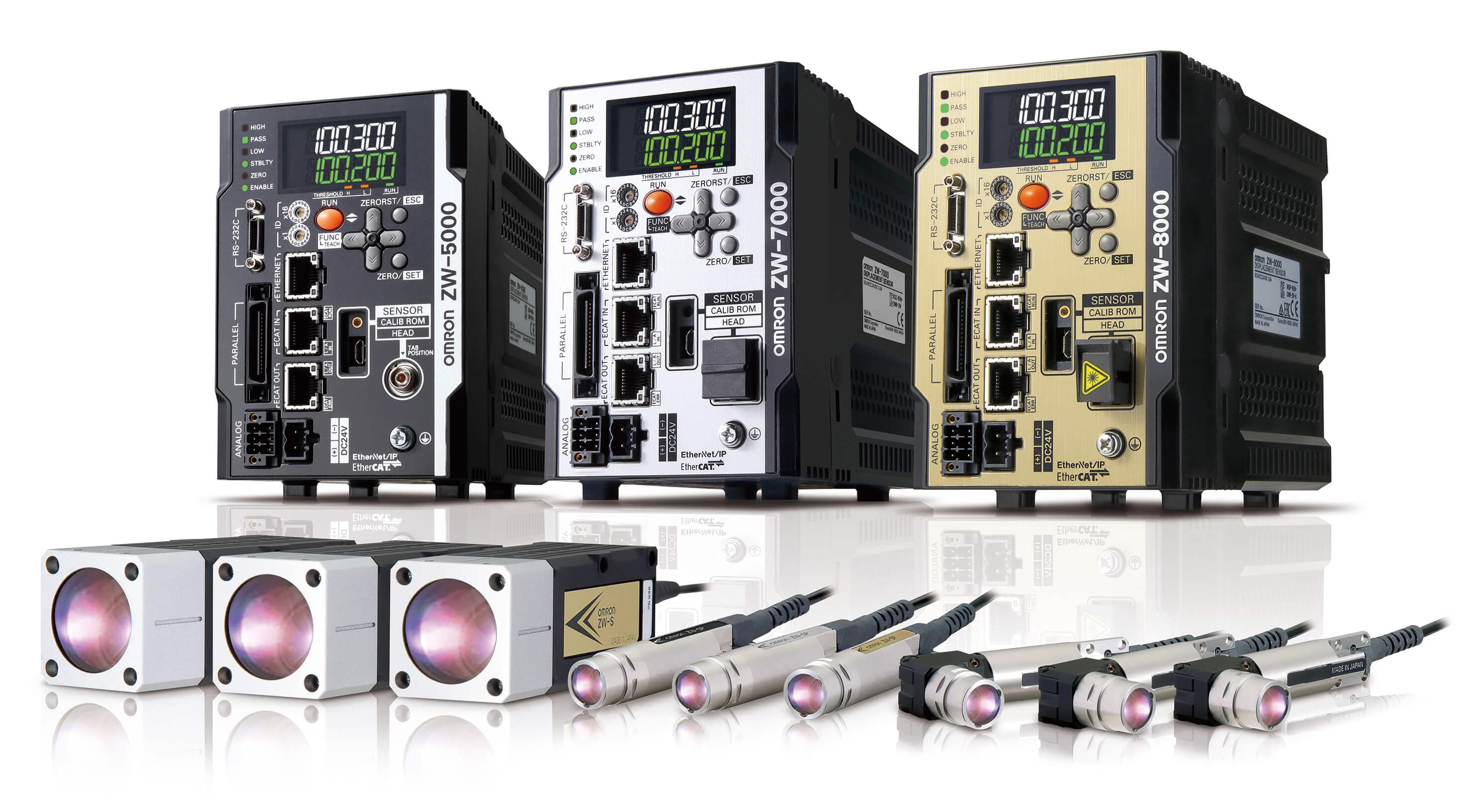
Omron ZX1 & ZW-7000
Keyence is the category leader on laser displacement in DACH (Deutschland / Austria / Switzerland) and has set the list-price ceiling. The ZX1 is positioned clearly below Keyence IL at similar performance; ZW-7000 is positioned at the LK-G5000 sub-micron tier but sells on the confocal-white-LED principle rather than trying to out-spec Keyence on laser-triangulation repeatability numbers.
- safetyvs IDEC · Schmersal
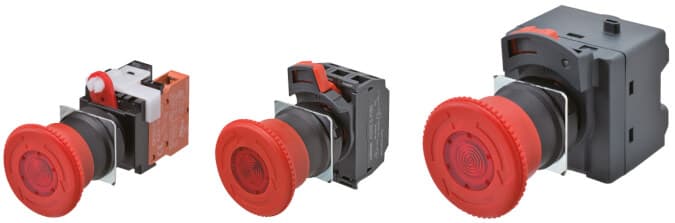
Omron A22E (22 mm Emergency Stop) & A4EG (Enabling Grip Switch)
A22E sits mid-market, materially below Schmersal NDR on the washdown / IP69K branch and roughly at parity with IDEC XW on standard e-stops. A4EG competes head-on with Schmersal ZSD (plastic-housing enabling grip) — Omron is typically below Schmersal on list for the equivalent 2-contact + e-stop configuration; exact delta to be pulled from Omron price matrix day one.
- safetyvs Euchner · Schmersal
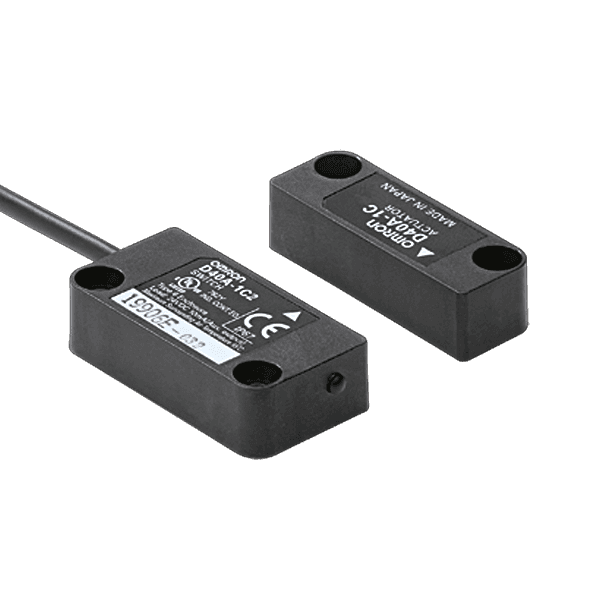
Omron D40A & D40Z
Below Euchner CES in DACH (Deutschland-Austria-Switzerland) list. D40Z in particular is priced as a volume magnetic non-contact option, clearly under Schmersal RSS and Euchner CES. D40A sits between the magnetic entry point and the Euchner premium.
- safetyvs Sick · Banner

Omron F3SG-SR / F3SG-PG
Mid-to-upper mid-market in DACH. F3SG-SR sits below Sick deTec4 Prime on list price in most configurations and roughly in line with deTec4 Core. Banner EZ-SCREEN LS is often cheapest on short-to-medium protective heights — but Banner's DACH availability is thinner, which pushes total cost of ownership back up once delivery time is counted.
- safetyvs Pilz · Sick
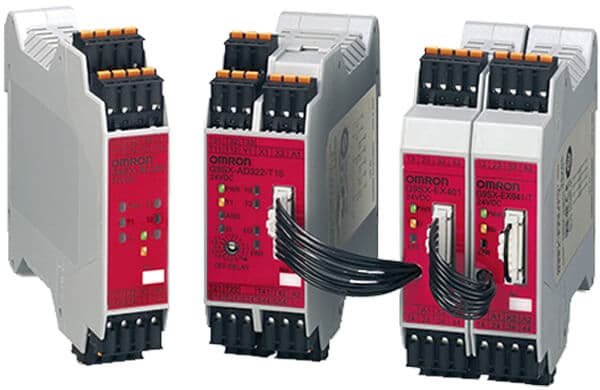
Omron G9SA / G9SE / G9SX
G9SA and G9SE are consistently 20–40 % below Pilz PNOZ X / PNOZsigma on a like-for-like SKU at Swiss / German distribution (Distrelec, RS, Farnell, Conrad, Reichelt). G9SX advanced modules are competitive with PNOZmulti configurable but below Pilz on a per-function basis for hardwired machines that don't need programmability. Sick UE10 sits roughly in the middle — cheaper than PNOZ X on contact expansion, priced similarly on a standalone e-stop relay.
- safetyvs Pilz · Sickno photo
Omron NX-SL & G9SP
Mid-to-upper market in DACH. NX-SL is typically positioned against Pilz PNOZmulti 2 and Sick Flexi Soft at comparable project cost once you include the Safety CPU, EtherCAT coupler, NX-SI input units and NX-SO output units; G9SP is positioned against PNOZmulti 2 on small-to-mid standalone cells where Sysmac is not in scope.
- safetyvs Sick
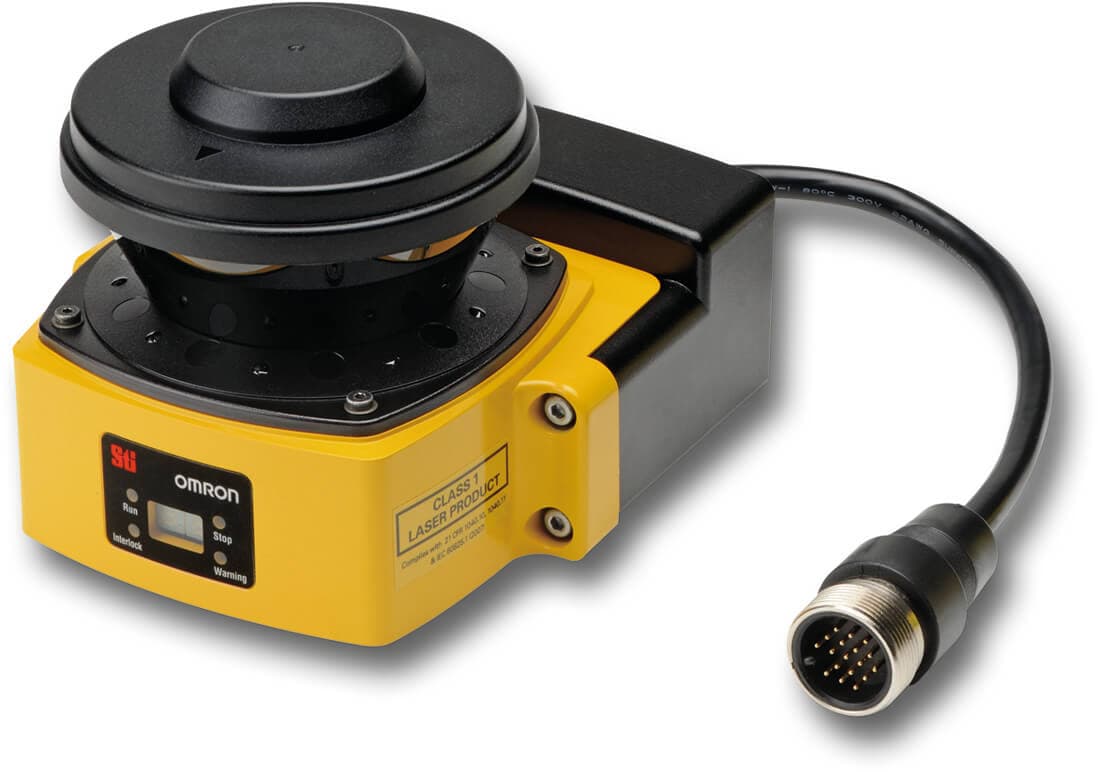
Omron OS32C
Mid-market in DACH. Typically below Sick nanoScan3 Pro on a like-for-like AGV spec; the Sick S3000 is being actively end-of-lifed so direct comparison increasingly gives way to OS32C vs nanoScan3 Pro.
- componentsvs Schneider · IDEC
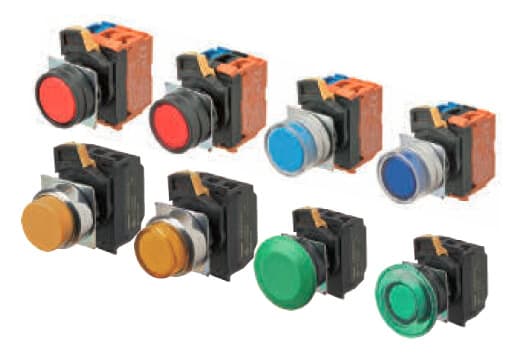
Omron A22N / M22N
Mid-market in DACH. Usually at parity or slightly below Schneider XB5 on a like-for-like illuminated pushbutton with 24 VDC LED and 1NO + 1NC block; noticeably below IDEC HW on the heavy-duty metal-bezel comparisons. The commercial pressure point is Schneider's distribution depth (Rexel, Sonepar, Elektro-Material / EM in Switzerland, Schneider's own e-shop), not unit price.
- componentsvs Gefran · Watlow

Omron E5CC / E5CN / E5CD
Mid-market in DACH. E5CC typically lands below Watlow PM PLUS on a like-for-like SKU and at or slightly above Gefran 650. West 6100+ / P6100 is usually the lowest list price of the four, with the narrowest feature set. E5CD DIN-rail pricing is roughly in line with the E5CC at the same I/O configuration but without the front-panel HMI (human-machine interface) cost.
- componentsvs Finder · Crydom
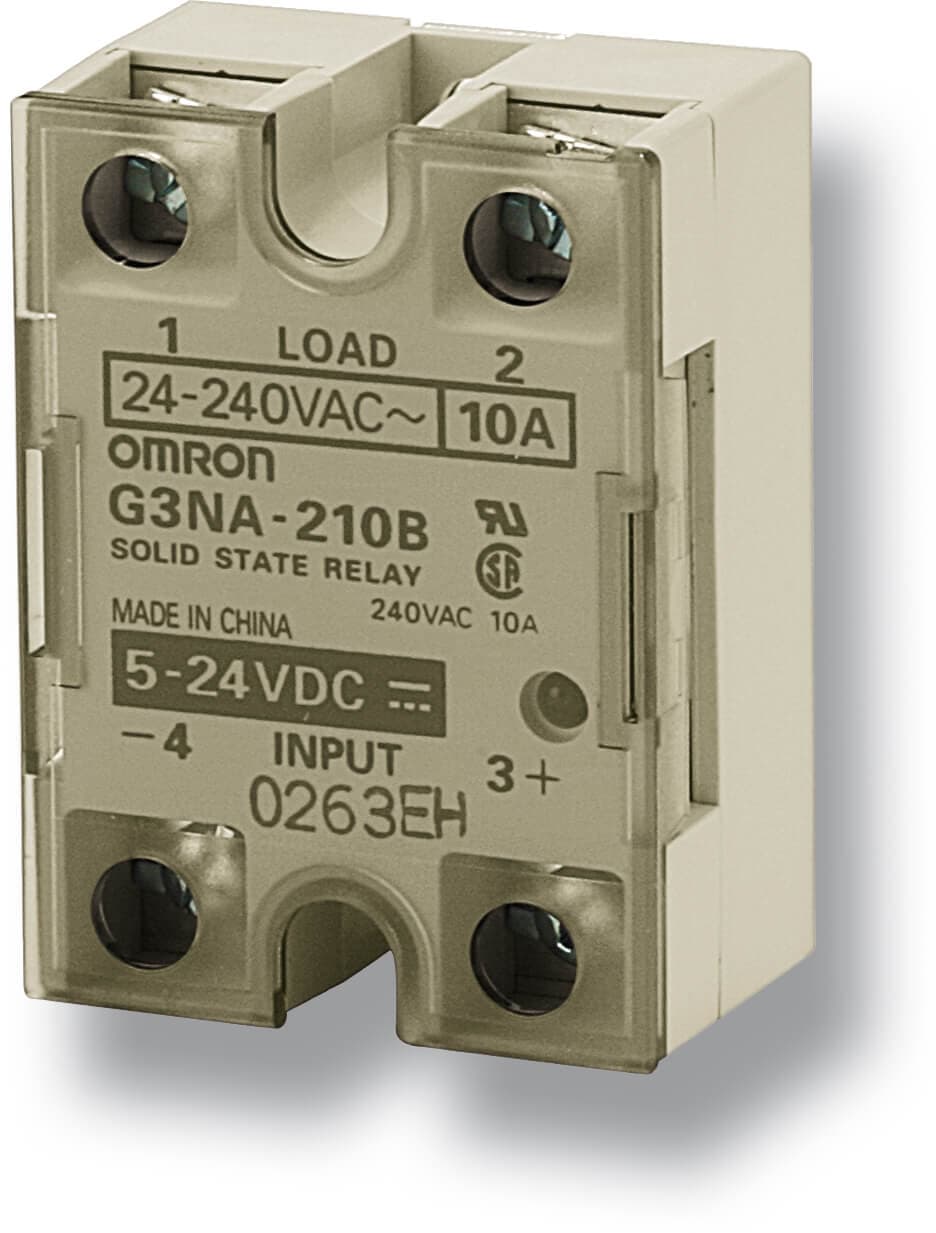
Omron G3NA & G3PE
- componentsvs Finder · IDEC
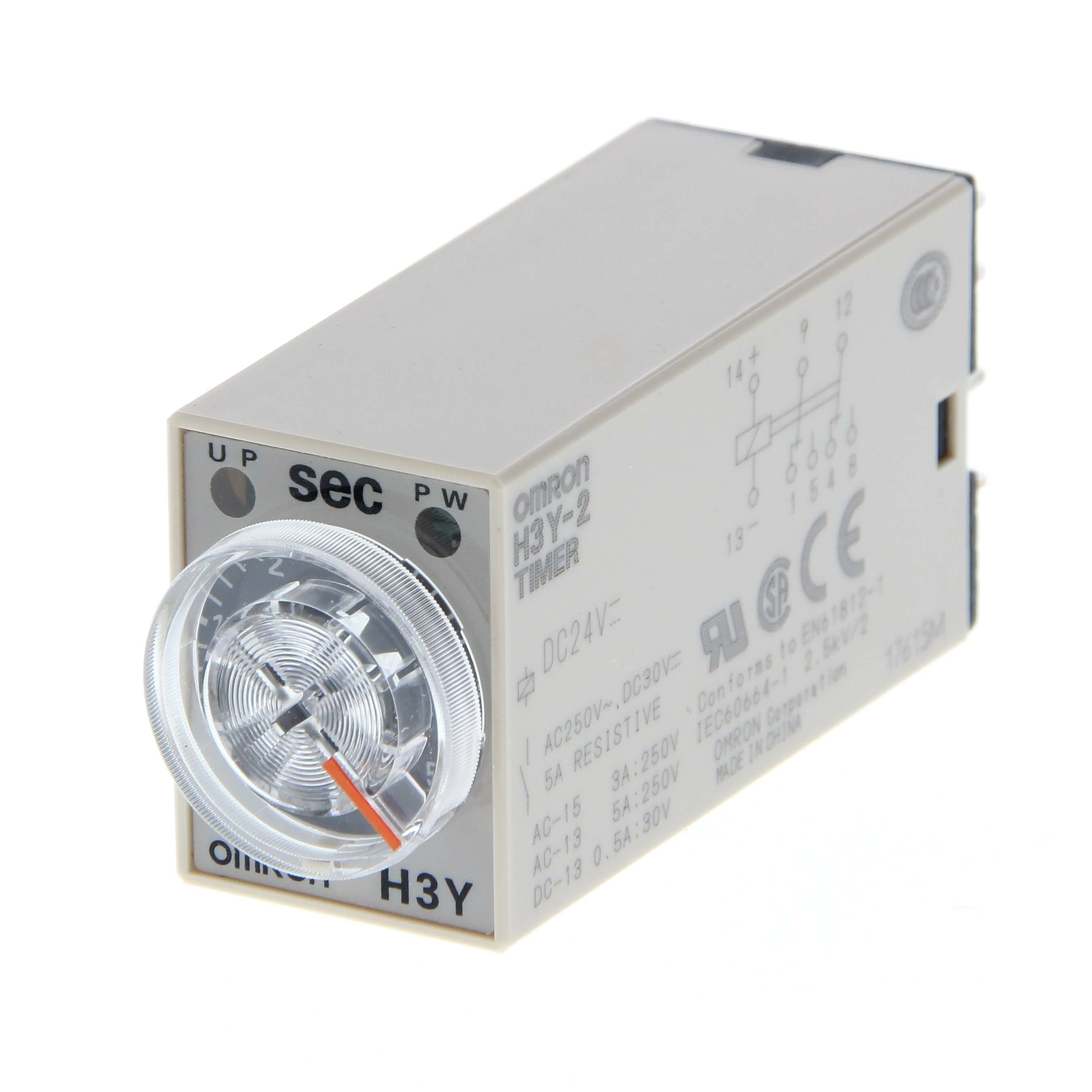
Omron H3Y (miniature plug-in analog timer) & H5CX (DIN 1/16 digital timer)
H3Y competes head-on against IDEC GT3A on the plug-in octal-socket market (both ~40–80 EUR distributor street). Finder 80 series is the canonical DACH choice — stocked by every Elektrogroßhandel (Sonepar, Rexel, Würth), taught in the Elektroinstallateur Meister curriculum, typically 25–50 EUR street. H5CX competes one level up, against panel-mount digital multi-function timers — no direct equivalent in Finder 80 (Finder's digital timer is the 83 series, out of scope here).
- componentsvs IDEC · Hanyoung

Omron H7CX
Mid-market in DACH. Above Hanyoung and Chinese-built commodity counters (Fotek, Autonics competing tier) on unit list price; at or below regional IDEC quotes for equivalent multifunction spec once tachometer + preset + batch are combined in one unit. Keyence does not field a direct equivalent in the 1/16 DIN panel-counter segment, so H7CX usually competes against the second-tier panel-instrument brands rather than Keyence.
- componentsvs Finder · Phoenix Contact

Omron MY / LY / G2R-S
Finder and Phoenix Contact dominate panel-builder BOM (Bill Of Materials) in DACH — honest. MY/LY are typically at or slightly above Finder 55 list; G2R-S is usually above Phoenix Contact PLC-RSC on a per-channel basis. Omron wins on spec depth (AgSnO2 tin-oxide contacts, IEC 61810 documentation, higher mechanical life), not on DACH distribution footprint.
- componentsvs Schmersal · Telemecanique
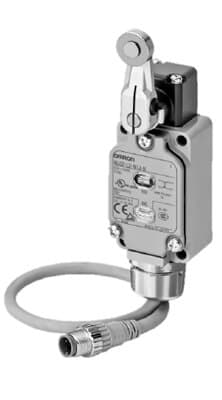
Omron WL & D4B-N
Both WL and D4B-N sit mid-market. Against Schmersal T/M 441 and Telemecanique OsiSense XCKJ / XCKN they tend to be at parity or slightly below on list, but in practice the price conversation is dwarfed by the installed-base question — Schmersal and Telemecanique own the DACH spec by default in machine-building and crane-engineering, and the fight is almost always about getting specified in the first place.